🌲 Pine Harbor, Minnesota Parks & Recreation
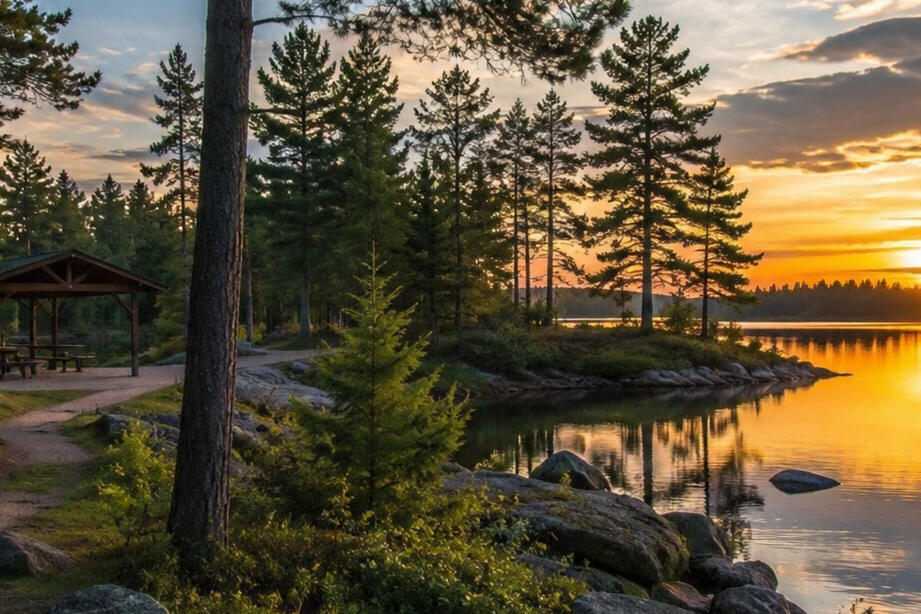
Welcome to Pine Harbor, Minnesota's parks, trails, forests, lakes, and outdoor spaces.Whether you're looking for a quiet place to walk, a scenic hiking trail, a family picnic area, or simply a chance to enjoy Minnesota's changing seasons, we're glad you're here.Pine Harbor Parks is dedicated to preserving our community's natural beauty while providing safe, welcoming places for everyone to explore, relax, and reconnect with nature.Every season offers something unique. Spring brings wildflowers and returning birds. Summer fills our lakes and trails with adventure. Autumn transforms our forests into vibrant displays of color, while winter offers peaceful snow-covered landscapes waiting to be explored.No matter the season, we hope you'll find a reason to step outside.━━━━━━━━━━━━━━━━━━━━━━🌲 Explore Our ParksDiscover Pine Harbor's parks, nature preserves, picnic areas, playgrounds, and scenic gathering spaces.View Parks →━━━━━━━━━━━━━━━━━━━━━━🥾 Hiking & Walking TrailsExplore miles of maintained trails winding through forests, wetlands, lakeshores, and wildlife habitats suitable for hikers of every experience level.Explore Trails →━━━━━━━━━━━━━━━━━━━━━━🗺️ Park MapsPlan your next adventure with park maps, trail information, parking locations, and visitor amenities.View Maps →━━━━━━━━━━━━━━━━━━━━━━📅 Events & Community ProgramsJoin us throughout the year for guided nature walks, community events, outdoor education, volunteer opportunities, and seasonal celebrations.Upcoming Events →━━━━━━━━━━━━━━━━━━━━━━🐦 Wildlife & NaturePine Harbor is home to an incredible diversity of wildlife, native plants, forests, wetlands, and freshwater ecosystems. Every visit offers an opportunity to observe birds, wildflowers, towering pines, changing seasons, and the remarkable natural beauty of northern Minnesota.We encourage visitors to help preserve these spaces by staying on marked trails, respecting wildlife, packing out what you bring in, and helping us keep our parks beautiful for future generations.━━━━━━━━━━━━━━━━━━━━━━📚 Nature ReadingEvery trail has a story.The Pine Harbor Public Library has carefully curated a collection of books celebrating forests, wildlife, conservation, hiking, ecology, and the natural world. Whether you're planning your first camping trip, hoping to learn more about Minnesota's forests, or simply looking for your next great read, these books are wonderful companions for any outdoor adventure.Featured Authors🌿 Robin Wall KimmererDiscover the beauty of nature through the eyes of a botanist, scientist, and gifted storyteller.Recommended Book:
Braiding SweetgrassLearn More about the Author →
-----------------------------------------------🌲 Peter WohllebenExplore the fascinating hidden world of forests and discover how trees communicate, cooperate, and thrive together.Recommended Book:
The Hidden Life of TreesLearn More about the Author→🥾 Bill BrysonExperience one of America's greatest hiking adventures through humor, curiosity, and unforgettable storytelling.Recommended Book:
A Walk in the WoodsLearn More →
━━━━━━━━━━━━━━━━━━━━━━🌲 Take Your Next Adventure OutsideBooks have a wonderful way of helping us appreciate the outdoors.After discovering a new trail, identifying a favorite bird, learning about forests, or reading about conservation, we invite you to continue the experience by exploring Pine Harbor's parks, lakes, trails, and natural spaces.Nature is best experienced firsthand.━━━━━━━━━━━━━━━━━━━━━━🤝 Community PartnershipThe Nature Shelf is proudly curated by the Pine Harbor Public Library as part of our shared commitment to lifelong learning, outdoor recreation, and environmental stewardship.Together, Pine Harbor Parks & Recreation and the Pine Harbor Public Library encourage our community to explore, learn, and enjoy the remarkable natural world that surrounds us.Visit the Pine Harbor Public Library Nature Shelf →━━━━━━━━━━━━━━━━━━━━━━"Leave the trail better than you found it, and you'll leave Pine Harbor better for the next visitor."Pine Harbor Parks & Recreation
Serving our community and preserving Minnesota's natural beauty for generations to come.
Pine Harbor Parks & Rec Turns to AI for Water Conservation on the North Shore
By: Kevin Mercer | Published July 10, 2026Introduction: A Small Community's Bold ApproachPINE HARBOR, MN — Nestled along Minnesota's North Shore, approximately 28 miles northeast of Duluth, the small unincorporated community of Pine Harbor is pioneering a digital approach to water conservation. The Pine Harbor Parks and Recreation Department has emerged as an early adopter of AI-driven water conservation technology, joining a statewide movement that could save millions of gallons annually across public lands."We've watched our lake levels fluctuate more dramatically in recent years," said department coordinator Sarah Morrison. "Smart irrigation isn't just about saving money—it's about protecting the ecosystems that make Pine Harbor special while teaching residents how to steward this resource themselves."Smart Irrigation Technology Takes Root
Following a statewide rollout that began in 2025, Pine Harbor completed initial installations during the 2025–2026 season across three primary park sites. The new systems integrate multiple technologies:Weather-Based Controllers: Receive real-time forecast data, automatically adjusting watering schedules based on predicted precipitation and temperature
Soil Moisture Sensors: Monitor actual ground moisture levels at root depth, overriding schedule-based watering when soil conditions don't require supplementation
IoT Connectivity: Transmit data to centralized dashboards accessible by Parks Department staff for remote monitoring
Flow Monitoring: Track actual usage in real-time, alerting staff to leaks or malfunctioning sprinkler heads
According to industry data, the state's Parks Department estimates approximately 3 million gallons will be saved annually across Minnesota's public lands as a result of the new irrigation technology. While Pine Harbor-specific figures remain preliminary, Morrison indicated early indicators suggest the technology is performing as expected."The first full season gave us valuable baseline data," she explained. "We're seeing reductions in water usage during shoulder seasons when traditional systems would often run unnecessarily. More importantly, the system alerts us to issues before they become visible problems."The North American smart irrigation market is projected to reach USD 1.11 billion by 2030, growing at a compound annual growth rate of around 10.9%. Government initiatives promoting conservation, including rebate programs covering 50–100% of smart controller installation costs in water-stressed regions, have further accelerated adoption.AI Assistants Power Public Education Campaigns
Beyond hardware, Pine Harbor officials use generative AI platforms like ChatGPT and xAI's Grok to amplify their conservation messaging. In 2025, the Minnesota Department of Natural Resources hosted an AI-focused public-engagement workshop that trained local partners to use these tools for water-conservation outreach.The department now leverages AI to:Draft educational materials for seasonal water-saving campaigns
Create personalized conservation tips for residents based on property characteristics
Generate multilingual content for diverse community members
Summarize research findings into accessible formats
"We tested different platforms to find what resonates best," Morrison noted. "ChatGPT excels at longer-form educational content, while Grok handles quick-turnaround updates for social channels. Both help us reach more people than we could alone."This approach mirrors initiatives from Minnesota's Project WET program, which has begun incorporating generative-AI models into school curricula, community webinars, and downloadable fact sheets.The Irony of AI's Water Footprint
Officials acknowledge an inherent tension in using digital technology to promote resource conservation. Recent studies note that a single ChatGPT exchange can indirectly consume approximately 500 mL of water through data-center cooling requirements. Globally, AI data centers use up to 5 million gallons per day collectively, and projections suggest AI's water footprint could reach 1.7 trillion gallons annually worldwide by 2030.Some observers have noted that AI's water use in 2025 matched the bottled water industry worldwide. "Pine Harbor's library director James Chen incorporates this fact into the AI Beginners Course," Morrison explained. "We teach residents to think critically about technology's full environmental impact, not just its immediate benefits."Library Partnership and Community Education
In partnership with the Parks and Recreation initiative, the Pine Harbor Library is launching a free AI Beginners Course designed to help residents understand and safely use emerging technologies for environmental stewardship."This technology is moving fast, and we want everyone in our community to have the skills to use it responsibly," said library director James Chen. "Understanding how AI can help with water conservation is becoming essential civic literacy. But so is understanding where technology falls short and knowing when to trust human judgment instead."The course covers:How large language models work and their limitations
Environmental trade-offs of AI technologies
Practical conservation applications using AI tools
Safety and privacy practices for sharing property information online
Verification techniques for cross-referencing AI-generated content
Sessions are available both in-person at the library and online. During World Water Day observances on March 22, the library makes the AI-water paradox a central teaching opportunity, framing it as a case study in systems thinking.Implementation Timeline and Future Outlook
During 2024, the Parks Department conducted site assessments and initiated grant applications for technology procurement. The 2025–2026 season saw first installations, while ongoing activities during 2026 focus on scaling installations to additional park sites based on performance data.Looking toward 2027 and beyond, the department envisions extending smart irrigation principles to residential properties through rebate programs and technical assistance. "We're thinking about the next decade, not just the next budget cycle," Morrison said.Funding assistance for broader smart irrigation program expansion is expected to be announced in late 2025, potentially accelerating adoption across rural and suburban municipalities.Conclusion: Balancing Innovation with Values
"A lot of small communities think they can't afford to experiment with new tools," Morrison reflected. "But using AI efficiently means doing more with existing resources. Those savings free up budget and time for the things that actually matter: maintaining trails, expanding programs, and keeping our parks accessible to everyone."The irony of using water-intensive digital tools to conserve physical water resources remains unresolved at a philosophical level. Yet Pine Harbor's approach suggests practical resolution is possible through honest acknowledgment of trade-offs, transparent measurement of outcomes, and continuous recalibration based on evidence rather than ideology.Visit the Pine Harbor Library website or go to learn.pineharbormn.org/#become-ai-fluent-course for more information.Sources: Minnesota DNR (2025), BerryDunn (2026), North American Smart Irrigation Market Report (2025-2030), Project WET Minnesota